
Commercial and Industrial HVAC Mechanical Contracts
Reliable Climate Control for Operational Facilities
Commercial and industrial HVAC mechanical contracts in Saraland for facility managers addressing operational waste, refrigerant leaks, outdated controls, and poor airflow
FHL HVAC Services, LLC provides commercial and industrial HVAC mechanical contracts in Saraland, serving facility managers, building owners, property developers, and industrial plant directors who need consistent climate control and system reliability. These contracts address recurring issues like operational waste, refrigerant leaks, outdated controls, and poor airflow that compromise comfort and efficiency. Structured maintenance agreements prevent minor problems from escalating into costly failures that disrupt business operations.
Mechanical contracts establish scheduled inspections, preventive maintenance, and priority response protocols for commercial and industrial HVAC systems that run continuously under heavy demand. Facility managers benefit from planned service visits that identify refrigerant leaks before they affect cooling capacity, recalibrate outdated controls to match current load requirements, and address airflow restrictions caused by filter buildup or duct obstructions.
Schedule a facility assessment to evaluate current system performance and determine appropriate contract coverage for your building.
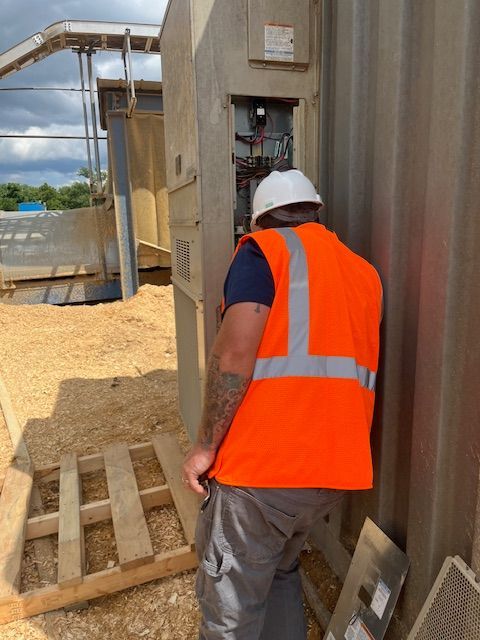
Contract-based maintenance targets the failure patterns that appear most often in commercial and industrial environments—refrigerant leaks that reduce system capacity, control malfunctions that cause temperature swings, and airflow issues that create hot spots or force equipment to run longer than necessary. Regular inspections catch these problems early, before they trigger emergency shutdowns or require expensive component replacements.
After implementing a mechanical contract, facility managers notice fewer unexpected breakdowns, more consistent temperature control across zones, and lower monthly utility costs as systems operate within designed parameters rather than compensating for underlying inefficiencies. FHL HVAC Services, LLC documents system performance trends over time, allowing property owners to make informed decisions about equipment upgrades or replacements based on actual data rather than reacting to sudden failures.
Contracts typically include filter changes, coil cleaning, refrigerant level checks, control system calibration, and belt inspections, with additional services like duct cleaning or specialized testing available as needed. The scope of each agreement depends on system type, operating hours, and environmental conditions specific to the facility.
What Structured HVAC Maintenance Prevents
Questions Facility Managers Ask About Mechanical Contracts
Property developers and building owners often have questions about how mechanical contracts reduce operational costs and extend equipment life in commercial and industrial settings.
What problems do mechanical contracts address most effectively?
Contracts focus on preventing operational waste from inefficient cycling, stopping refrigerant leaks before they reduce cooling output, updating control sequences that no longer match building use patterns, and correcting poor airflow caused by dirty coils or blocked dampers.
How does contract maintenance differ from emergency service calls?
Scheduled visits allow technicians to inspect systems under normal operating conditions, identify trends like declining airflow or rising energy consumption, and address issues before they cause equipment failure or disrupt facility operations.
What should facility managers expect during routine contract visits?
Technicians measure refrigerant pressures, test control responses, inspect electrical connections, clean or replace filters, check condensate drainage, and document baseline performance metrics that track system health over time.
Why do commercial facilities in Saraland benefit from structured HVAC agreements?
High humidity levels and extended cooling seasons increase wear on compressors and coils, making regular maintenance essential for preventing corrosion, maintaining efficiency, and avoiding unplanned downtime during peak operational periods.
How often should industrial HVAC systems receive contract maintenance?
Most facilities benefit from quarterly visits, though systems running continuously or operating in harsh environments may require monthly inspections to maintain performance standards and catch problems early.
Property developers and building owners often have questions about how mechanical contracts reduce operational costs and extend equipment life in commercial and industrial settings.